


By David Arome
It is often assumed that people understand what climate change truly means without considering the power of local languages to make the concepts relatable.
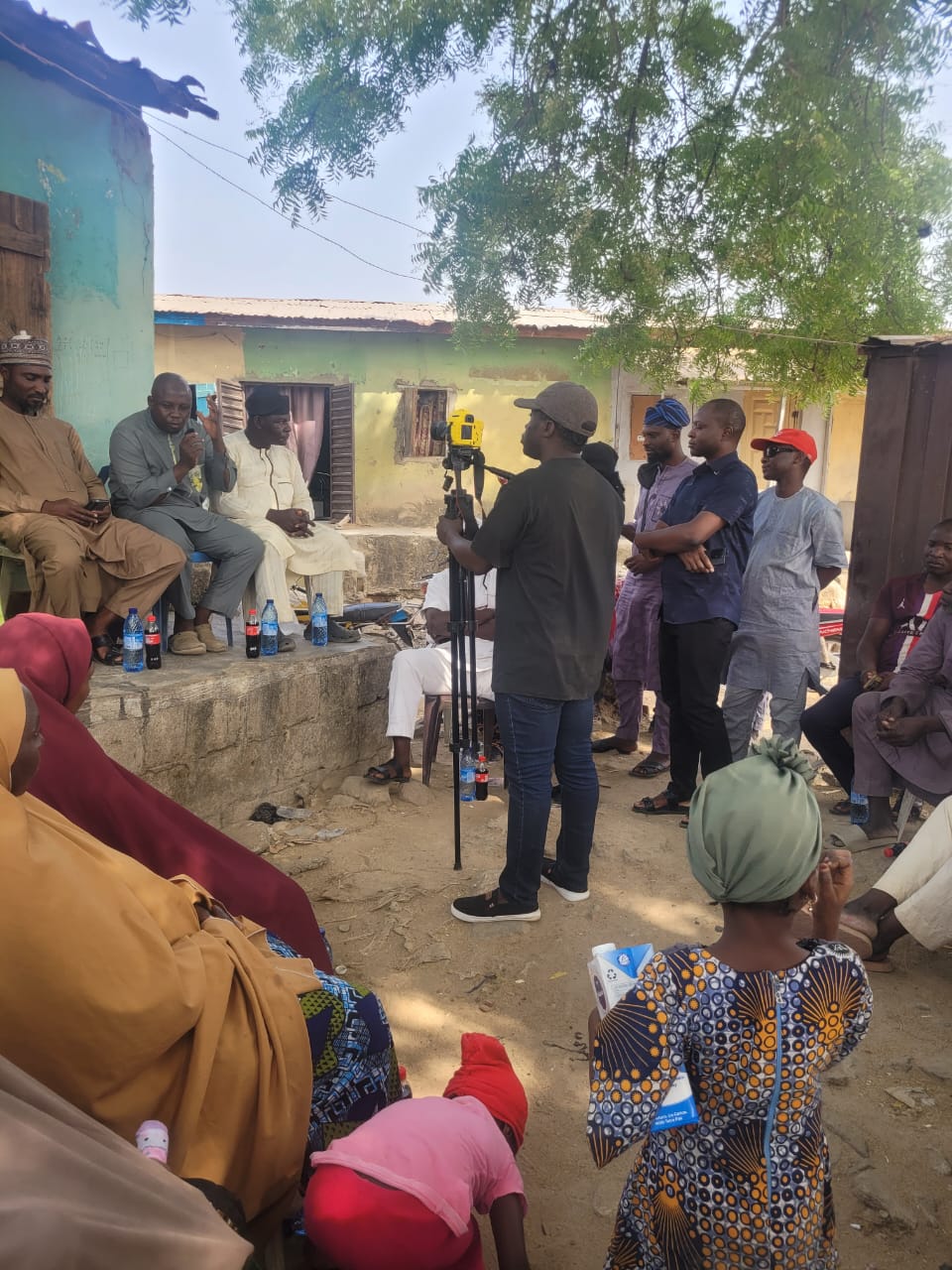
The critical role of local languages in effective climate communication came into focus on 22 January 2026 during the Strengthening Community Journalism and Human Rights Advocacy (SCOJA) community outreach in Tudun Fulani, Minna, Niger State.
Although climate change means different things to different people,
For farmers, climate change means:
- Delayed or prolonged onset of rainfall
- Alteration in the farming calendar, making it extremely difficult to plan
- Reduction in crop yield, income, and resultant increase in poverty rate
- Consistent dry spell
For fishermen, climate change means:
- Disappearance of indigenous fish species
- Invasion of invasive fish species.
- Drop in fish catch and hunger
For women and girls in rural communities:
- Long-distance trek to get water from the river because of dried wells.
- Long-distance trek to get firewood from the farm or forest
- Threat of floods, droughts, and rising diseases.
- Disappearance of native tree species, once used for medicine
For Mai-shayi (tea maker), climate change means:
- Drop in patronage of people who come to take tea and bread on a chilly morning and evening, especially during the Harmattan season.
But one crucial element is letting people know that climate change is real. The most exciting part is the use of local languages in communicating climate change to the people. Here is the key takeaway:
- Using local languages makes it more relatable for people to connect easily to climate realities.
- Citing examples makes it clearer and more real for people to understand and see their vulnerability to climate change.
- Climate literacy can stir up action for people to take local climate action in their respective communities.
The truth remains that climate change is here with us and is not leaving anytime soon. We all have a stake in climate change matters.
With just a click, you can read more climate stories.


